 Skip to content

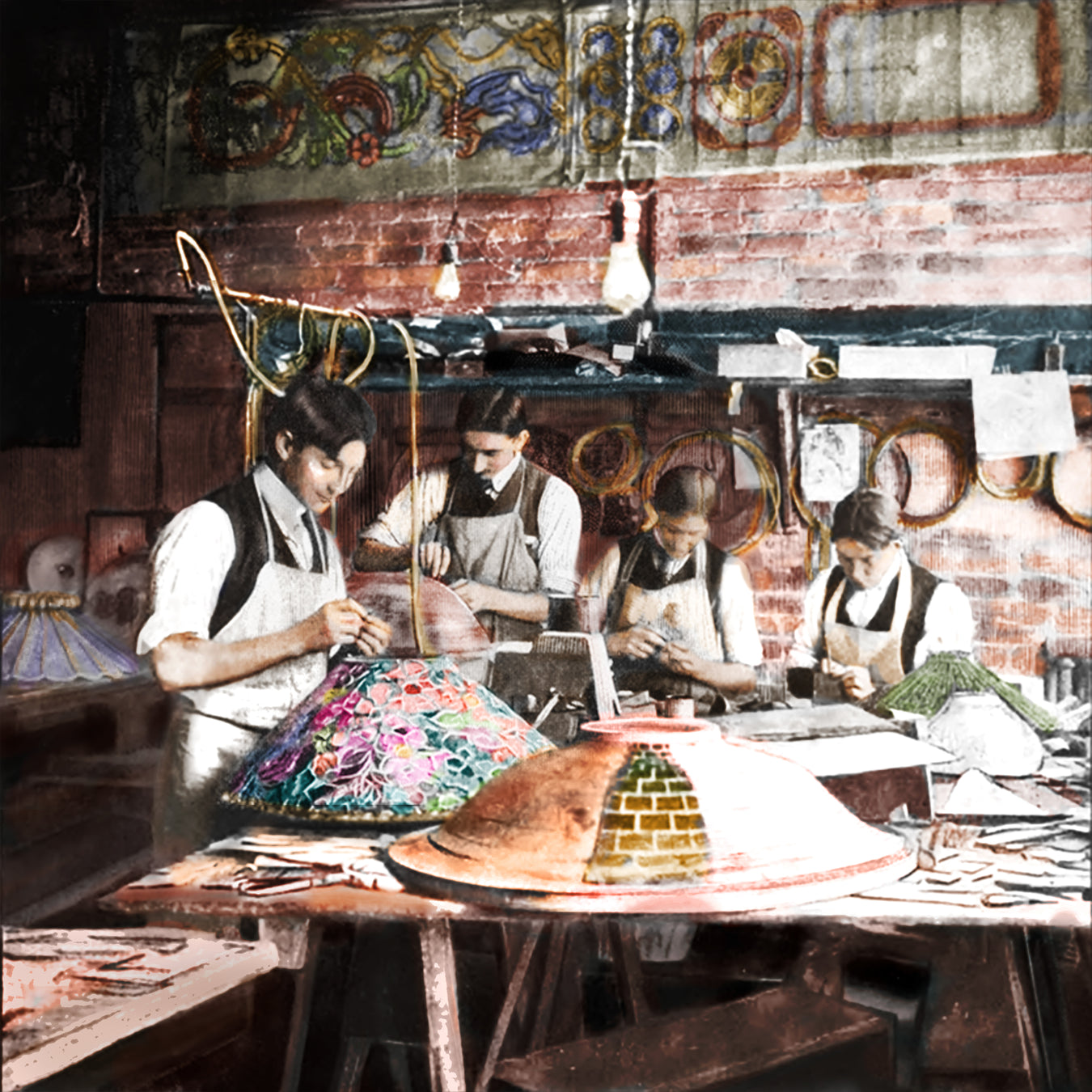
Tiffany Studios New York, established in 1880 by Louis Comfort Tiffany, was a decorative arts company best known for its glass windows, lamps, mosaic installations, and luxury items, such as desk sets, using multi-colored, textured, opalescent glass to create a unique type of stained glass. By 1893, the Tiffany Glass Furnaces, as it was known as the time, created a blown glass, called Favrile glass, which is a signature construction for glass in a remarkable amount of designs. In 1895, Tiffany Studios New York began producing their renowned and highly collectible handmade stained-glass lamps, featuring the use of mosaics, often crafted in conjunction with designer, Clara Driscoll, who created each of the patterns for Tiffany lamps. Geometric lamps reflect an Arts & Crafts style, while lamps adorned with peonies, poppies, and daffodils evoke an Art Nouveau aesthetic. Tiffany chandeliers grew out of a fascination with Asian influence and the culture of the Middle East. Tiffany Studios New York Dragonfly lamps are influenced both by Japonisme and Louis Comfort Tiffany's close study of nature. Lily lamps, made with Tiffany's golden iridescent Favrile glass, are a synthesis of naturalism and lighting as Modernist sculpture. Macklowe Gallery's extensive Tiffany Studios New York lamp inventory features Art Nouveau lamps from Louis Comfort Tiffany just before 1900, through the end of Tiffany Studios New York production in 1928. We have the largest inventory of authentic antique Tiffany Studios New York lamps for sale in the world, and all of our Tiffany lamps, as well as our entire antiques collection, are also available for private viewing in our Park Avenue gallery, in Manhattan.
-
 Shop Now
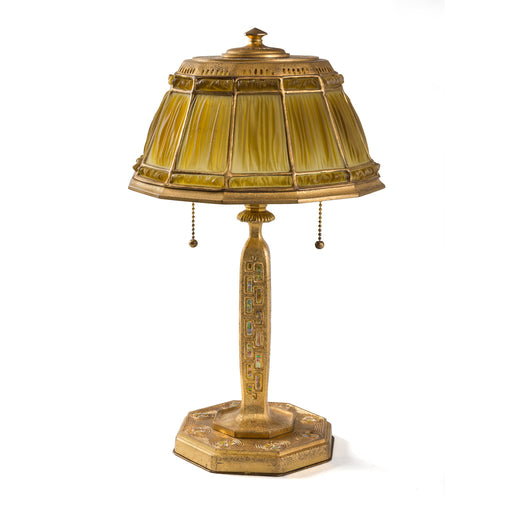
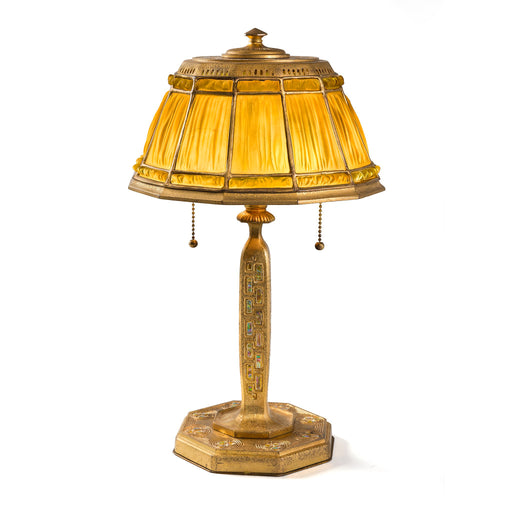
Tiffany Studios New York "Abalone Linenfold" Desk Lamp
$27,500This Tiffany Studios New York "Abalone Linenfold" desk lamp, which consists of an amber molded glass "Linenfold" shade and abalone inlaid in a gilt...
View full details -
 Shop Now
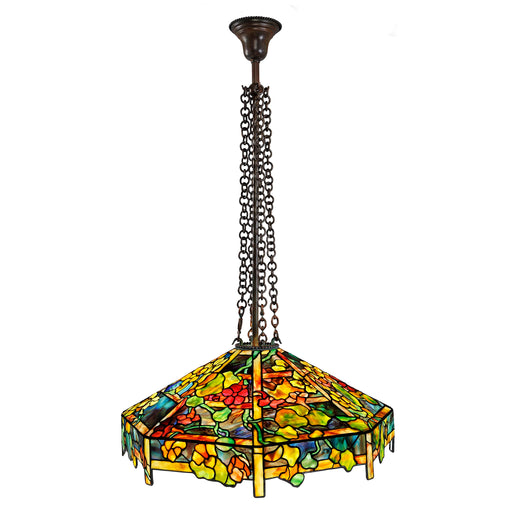
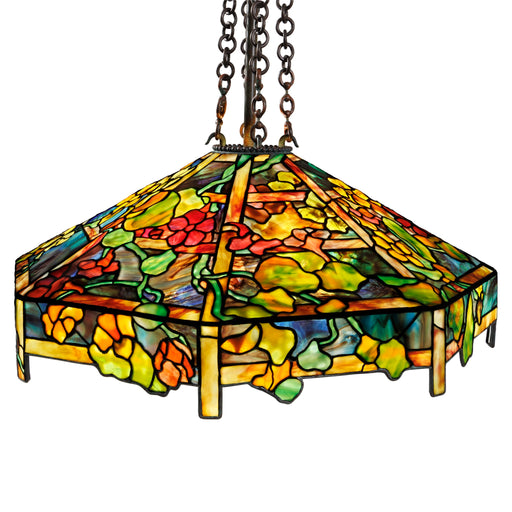
Tiffany Studios New York "Nasturtium" Chandelier
This octagonal Tiffany "Nasturtium" chandelier is divided by eight vertical brown and tan columns, each extending slightly below the lower border, ...
View full details -
 Shop Now
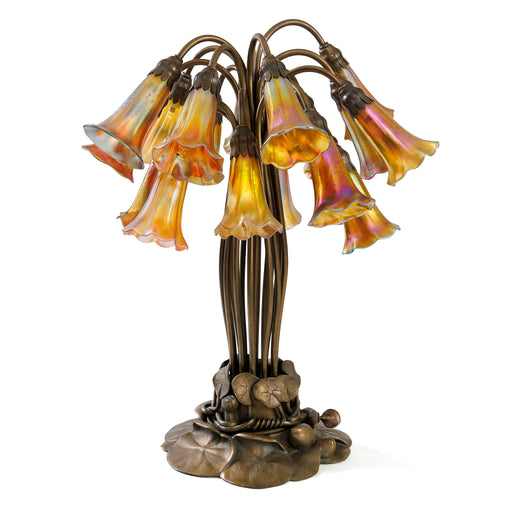
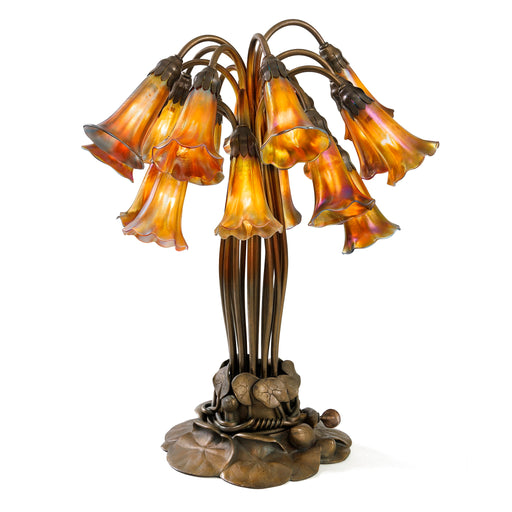
Tiffany Studios New York "Eighteen Light Lily" Table Lamp
This Tiffany Studios New York glass and patinated bronze "Eighteen-Light-Lily" table lamp, features eighteen golden iridescent Favrile glass "Lily"...
View full details -
 Shop Now
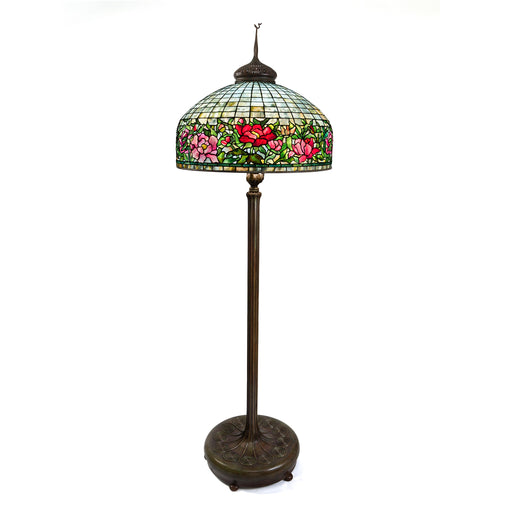
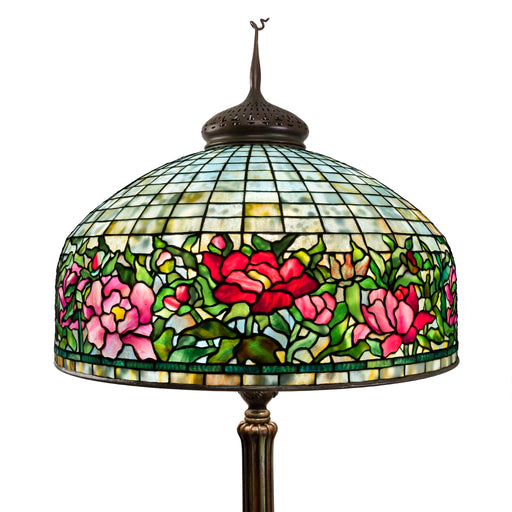
Tiffany Studios New York "Peony" Border Floor Lamp
The vibrantly colored shade of this Tiffany Studios "Peony" border lamp features a mottled cyan geometric upper register and with lower border comp...
View full details -
 Shop Now
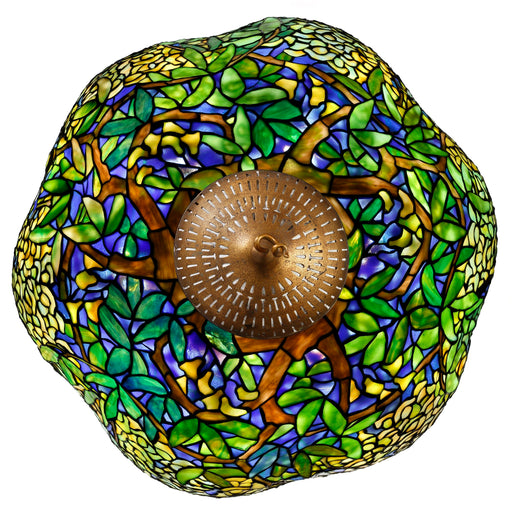
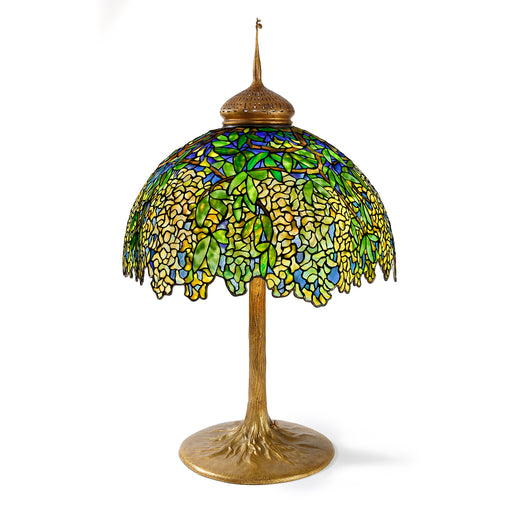
Tiffany Studios New York "Laburnum" Table Lamp
A Tiffany Studios New York "Laburnum" table lamp. The brain child of famed Tiffany designer Clara Driscoll, the shade of this remarkable lamp featu...
View full details -
 Shop Now
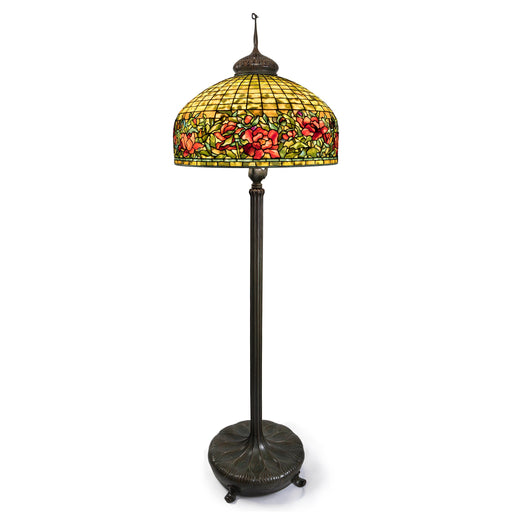
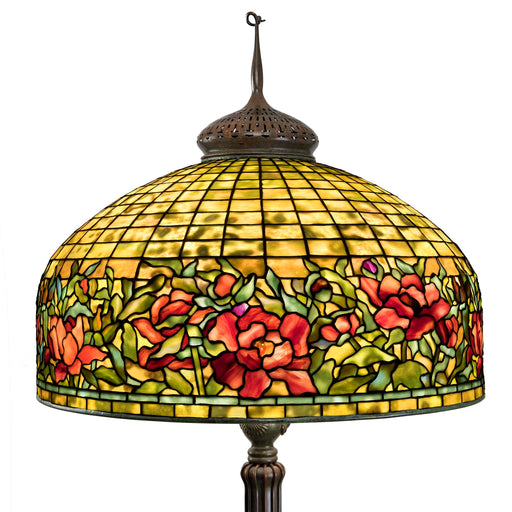
Tiffany Studios New York "Peony" Border Floor Lamp
A Tiffany Studios peony border leaded glass and bronze senior floor lamp. The vibrantly colored shade with striated orange geometric upper register...
View full details -
 Shop Now
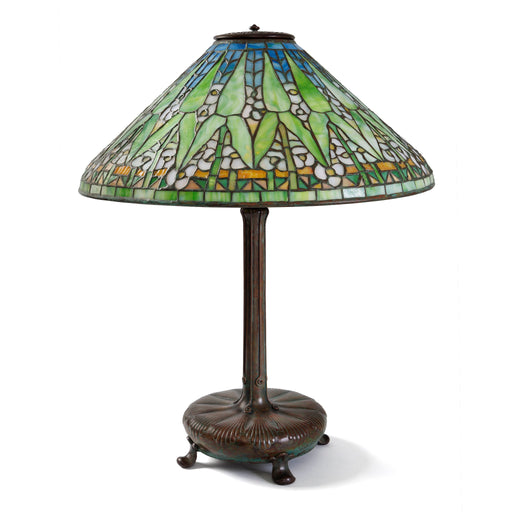
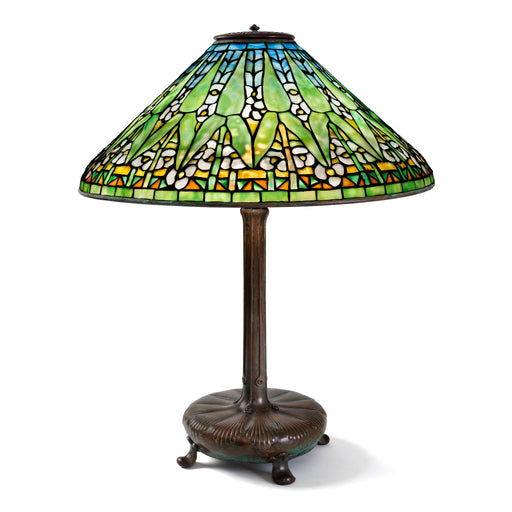
Tiffany Studios New York "Arrowhead" Table Lamp
A delightful homage to the wetlands, the "Arrowhead" table lamp by Tiffany Studios New York features a leaded glass shade with abstracted vegetal f...
View full details -
 Shop Now
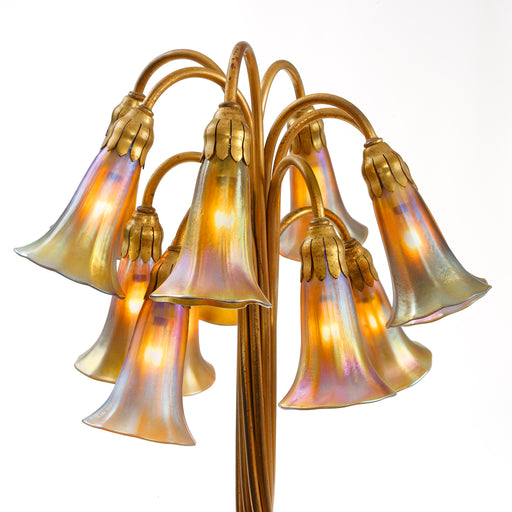
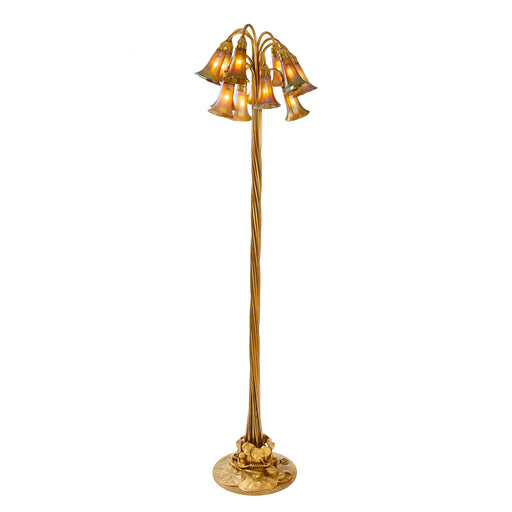
Tiffany Studios New York "Twelve Light Lily" Gilt Bronze Floor Lamp
This exquisite Tiffany Studios New York "Twelve-light lily" floor lamp marks the combination of two of Tiffany's favorite floral motifs, the pond l...
View full details -
 Shop Now
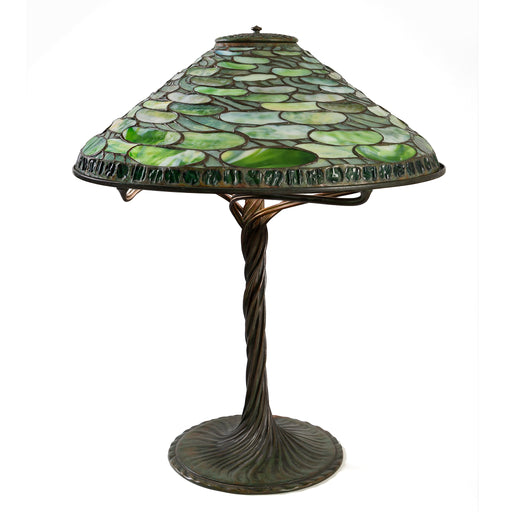
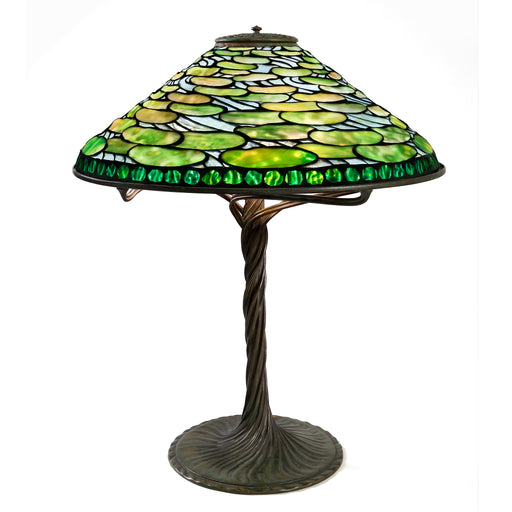
Tiffany Studios New York "Lily Pad" Table Lamp
The Tiffany Studios New York "Lily Pad" exemplifies a harmonious blend of simple design and complex textural selections. The water is rendered in o...
View full details -
 Shop Now
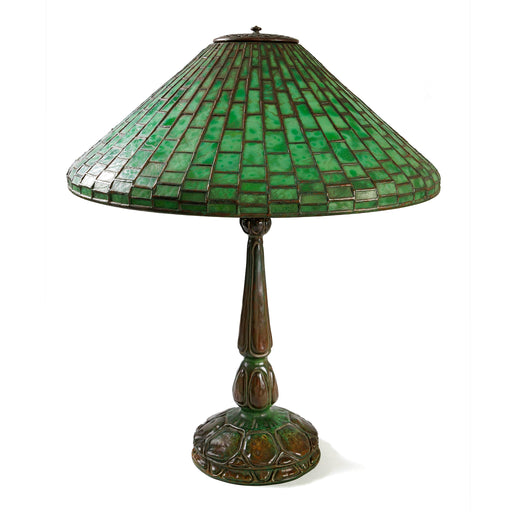
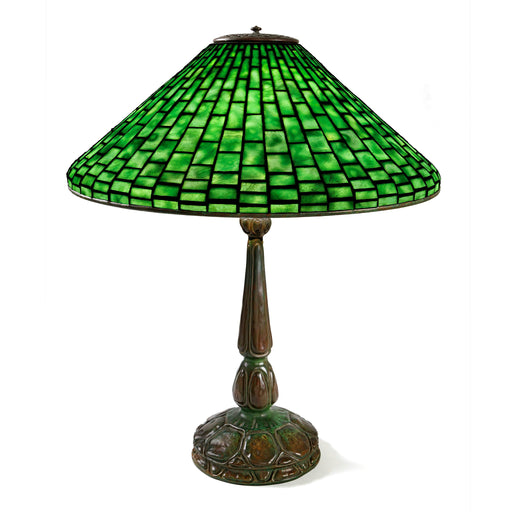
Tiffany Studios New York "Plain Squares" Table Lamp
The plain squares pattern from Tiffany Studios features columns of emerald glass rectangles, arranged with precision to mirror the intricate veinin...
View full details -
 Shop Now
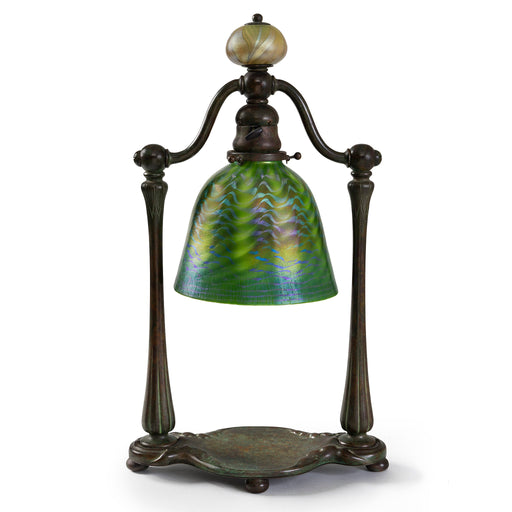
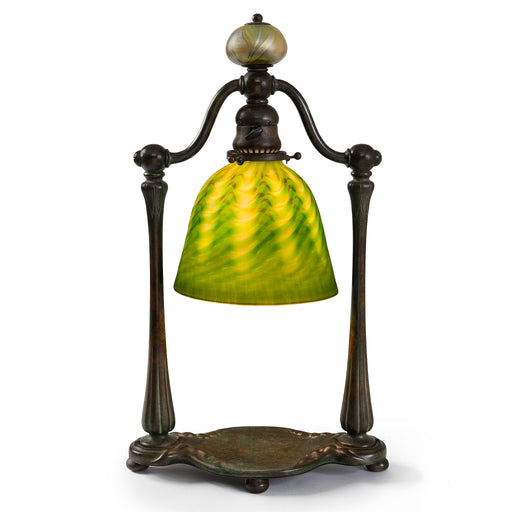
Tiffany Studios New York "Damascene Lighthouse" Desk Lamp
$22,500This Tiffany Studios New York "Lighthouse" desk lamp features a bell-shaped iridescent green Favrile “Damascene” shade, suspended from a two-posted...
View full details -
 Shop Now
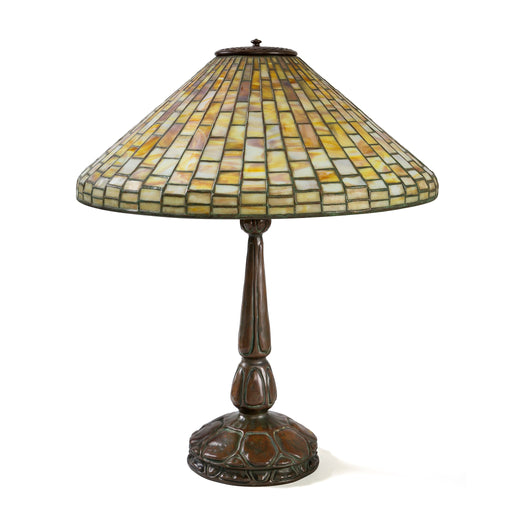
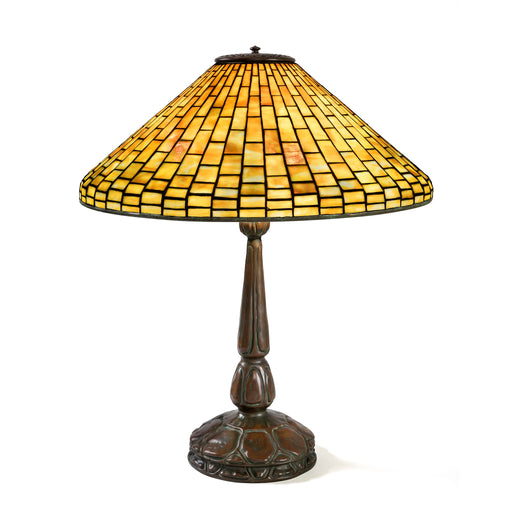
Tiffany Studios New York "Plain Squares" Table Lamp
The plain squares pattern from Tiffany Studios features columns of amber glass rectangles, arranged with precision to mirror the intricate veining ...
View full details -
 Shop Now
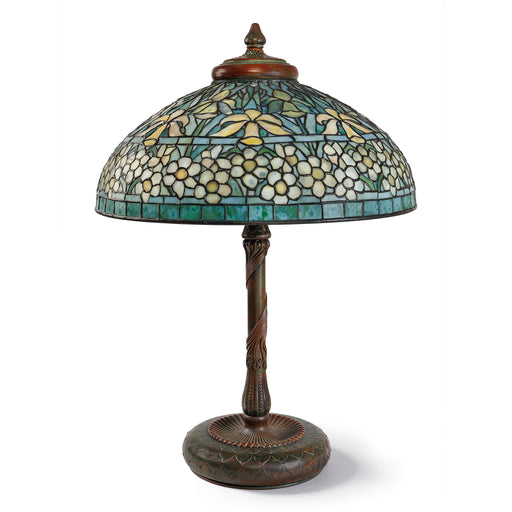
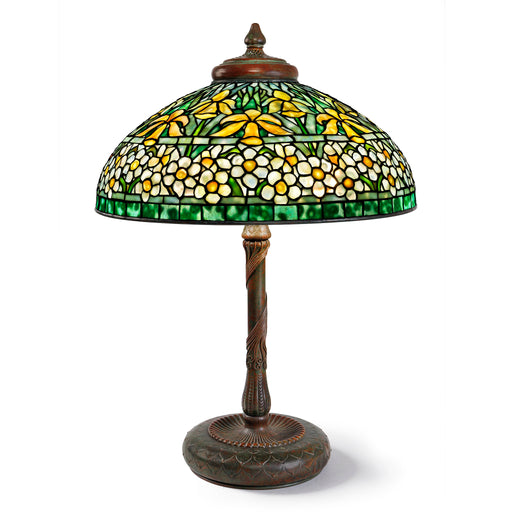
Tiffany Studios New York "Jonquil Daffodil" Table Lamp
The "Jonquil-Daffodil" table lamp by Tiffany Studios New York features a dome-shaped shade, divided charmingly into two bands of joyously bright bl...
View full details -
 Shop Now
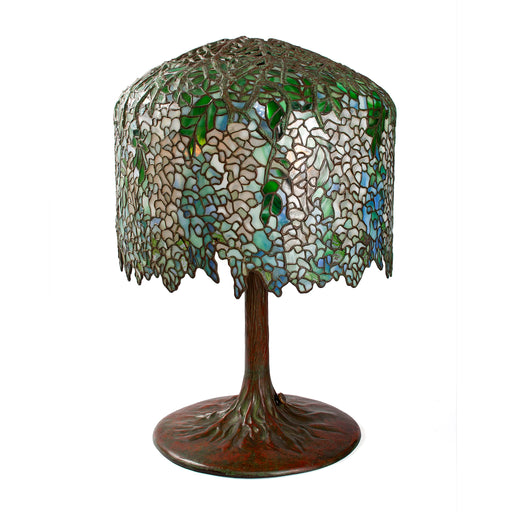
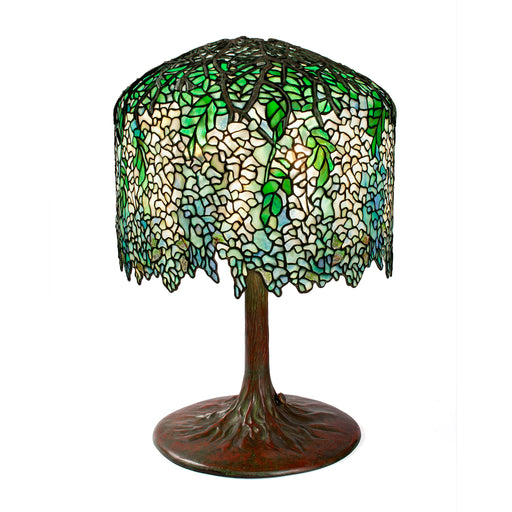
Tiffany Studios New York "Wisteria" Table Lamp
This exceedingly rare white "Wisteria" table lamp is composed of a pastel palette of glass wisteria blossoms in shades of cream, green, and lilac t...
View full details -
 Shop Now
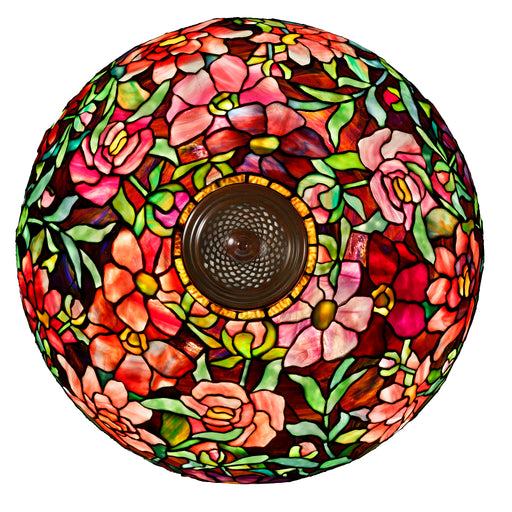
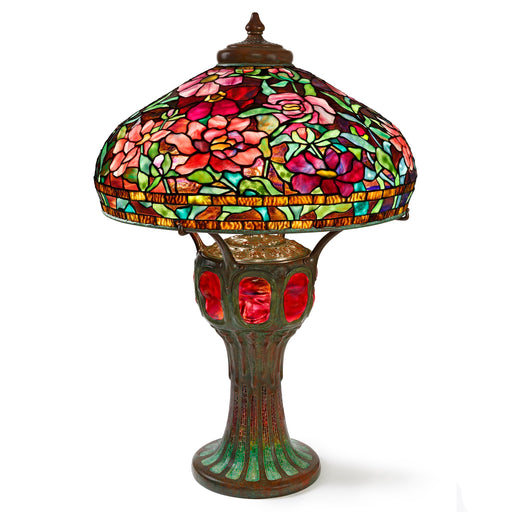
Tiffany Studios New York "Peony" Table Lamp
Tiffany’s “Peony” table lamp is a work grounded in naturalism, but reaching for the divine. With a shade of resplendent blooms and a mosaic base ev...
View full details -
 Shop Now
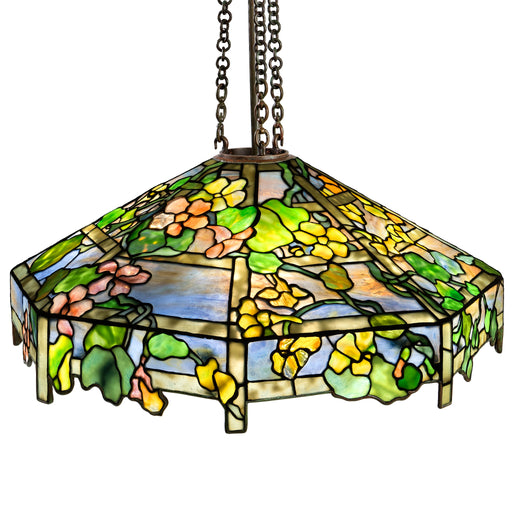
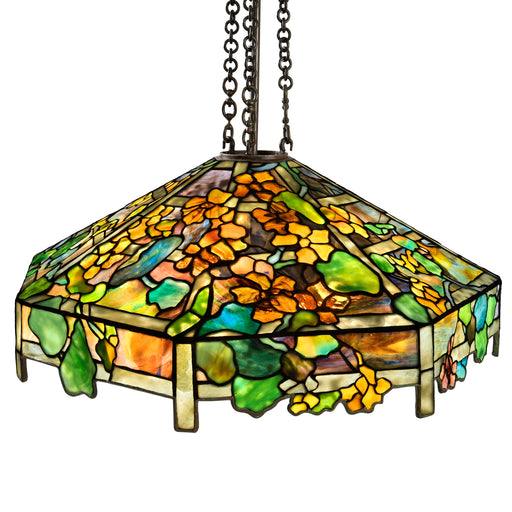
Tiffany Studios New York "Nasturtium" Chandelier
This octagonal Tiffany "Nasturtium" chandelier is divided by eight vertical brown and tan columns, each extending slightly below the lower border, ...
View full details -
 Shop Now
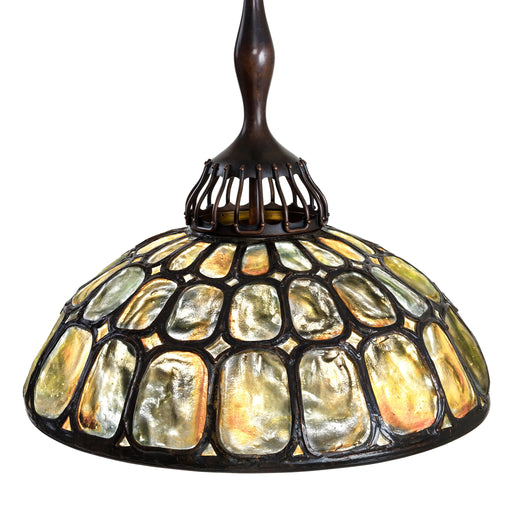
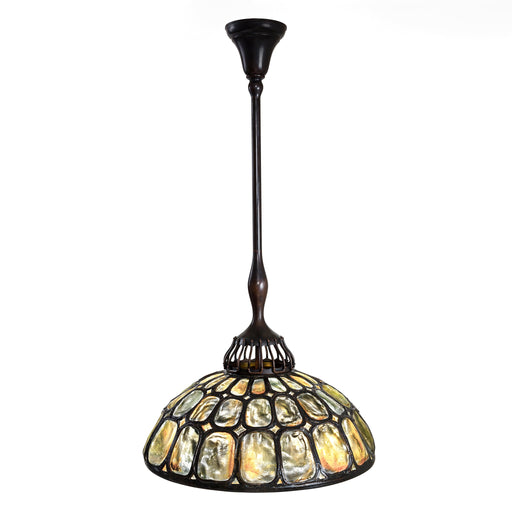
Tiffany Studios New York "Turtleback Tile" Chandelier
Rippling undulations in gold iridescence and soft, organic lines dominate this ethereal but weighty composition, an exceptional example of a Tiffan...
View full details -
 Shop Now
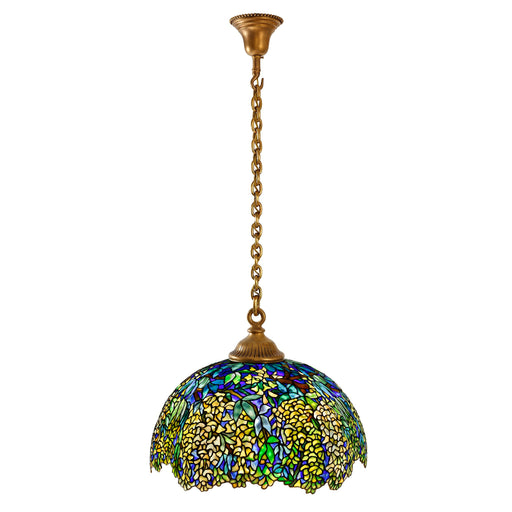
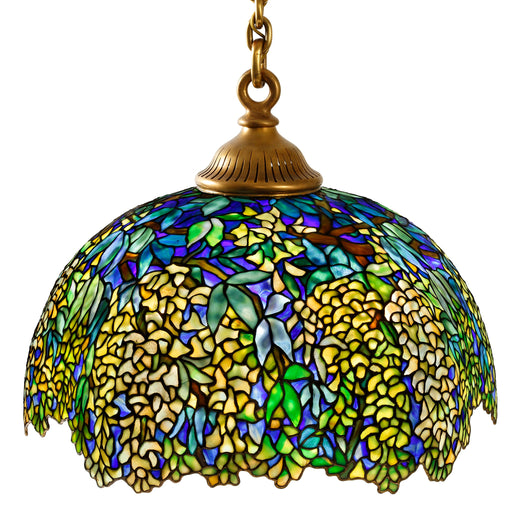
Tiffany Studios New York "Laburnum" Chandelier
This Tiffany Studios New York "Laburnum" chandelier is a much-celebrated piece that features a simple but multihued, multifaceted, and expertly app...
View full details -
 Shop Now
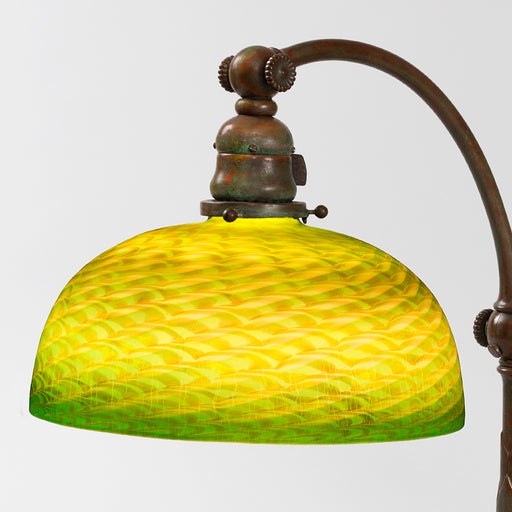
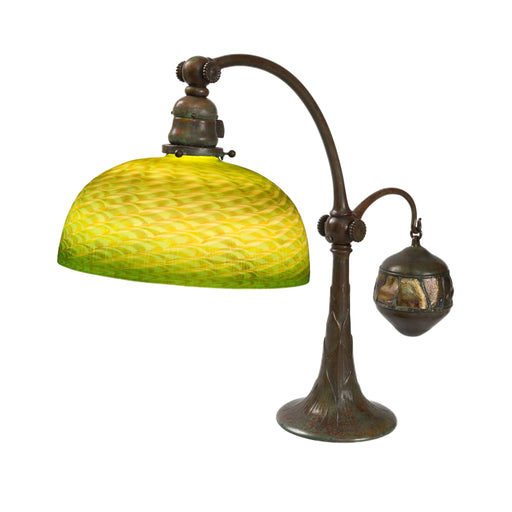
Tiffany Studios New York "Counter Balance Damascene" Desk Lamp
This charming Tiffany Studios New York Favrile glass desk lamp, features a bright green "Damascene" shade on a patinated bronze "Counter-Balance" b...
View full details -
 Shop Now
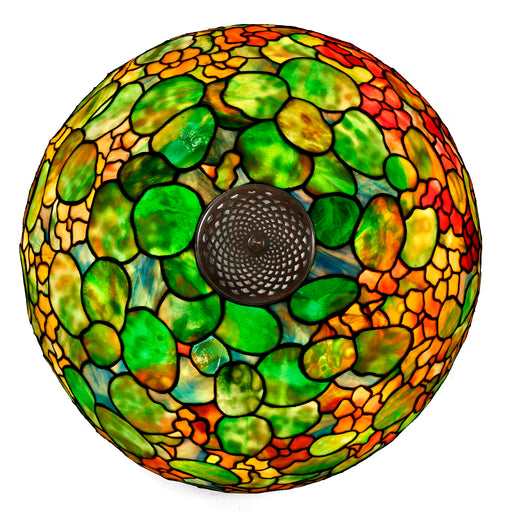
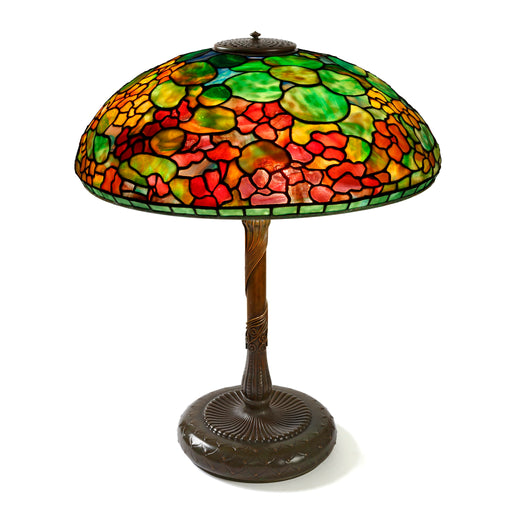
Tiffany Studios New York “Nasturtium” Table Lamp
This Tiffany Studios New York "Nasturtium" table lamp, features a vividly colored leaded glass shade, depicting cerise, orange, and pink nasturtium...
View full details -
 Shop Now
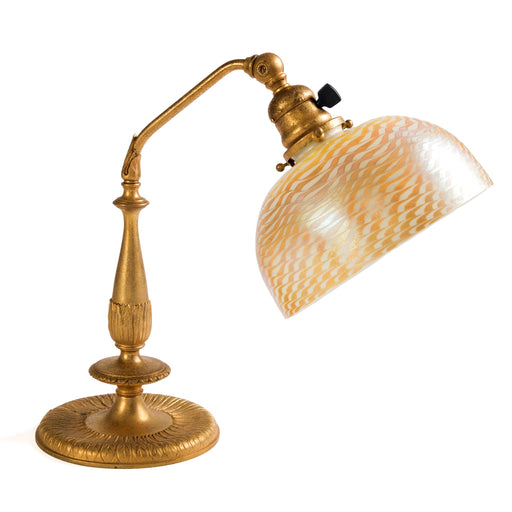
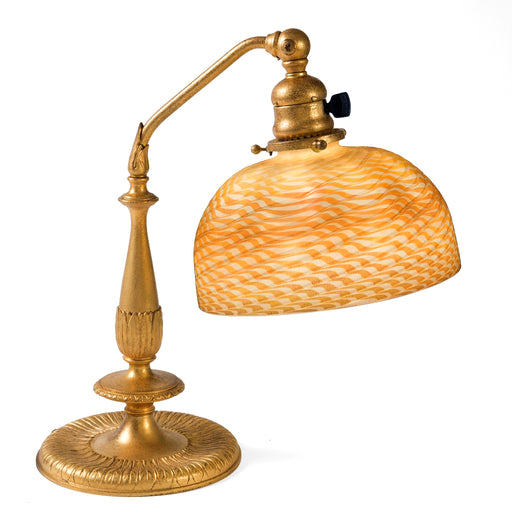
Tiffany Studios New York Damascene Table Lamp
This delicately sized Tiffany Studios New York “Damascene” lamp is superbly colored in blood-orange and gold. Trails of blood orange glass were app...
View full details -
 Shop Now
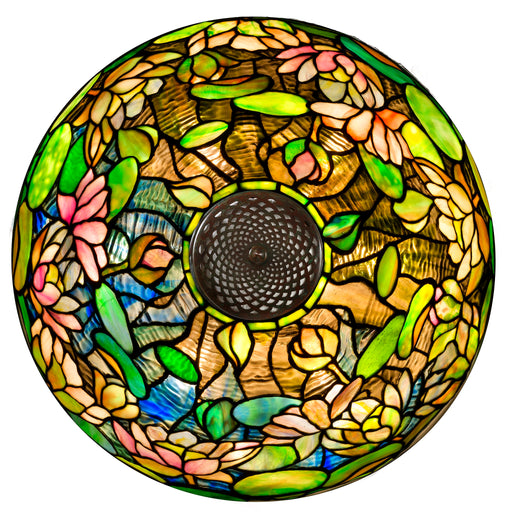
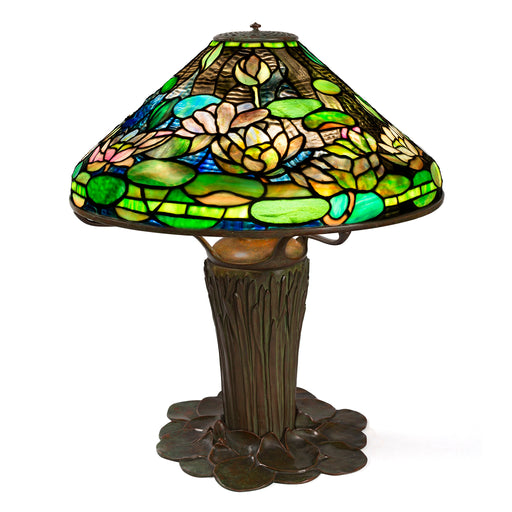
Tiffany Studios New York “Flowering Water Lily” Table Lamp
This Tiffany Studios New York "Flowering Water Lily" leaded glass and bronze table lamp begins with joyous green pads, which serve as the base to t...
View full details -
 Shop Now
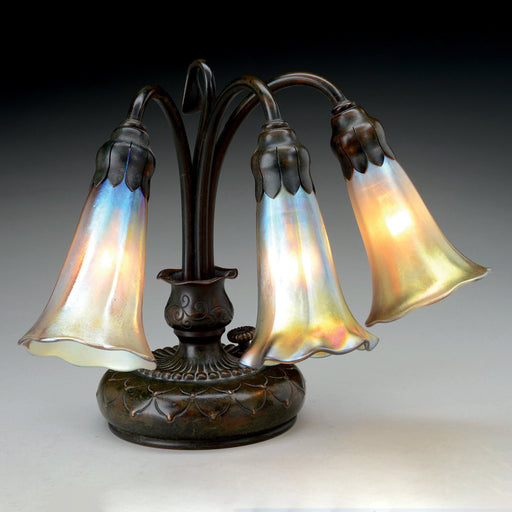
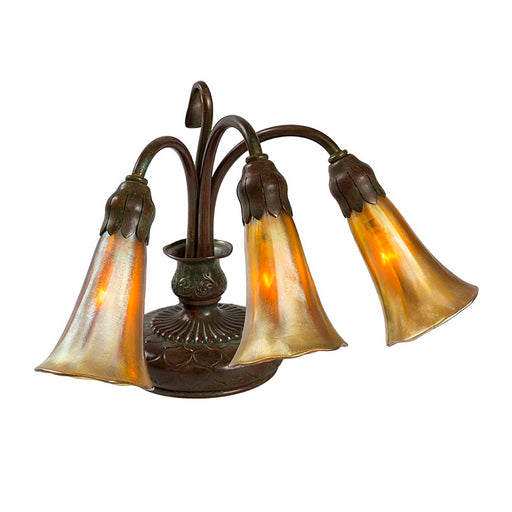
Tiffany Studios New York "Three Light Lily" Desk Lamp
$12,500This Tiffany Studios New York glass and bronze piano table lamp features the firm's beloved shape, "Three Light Lily," with golden Favrile glass sh...
View full details -
 Shop Now
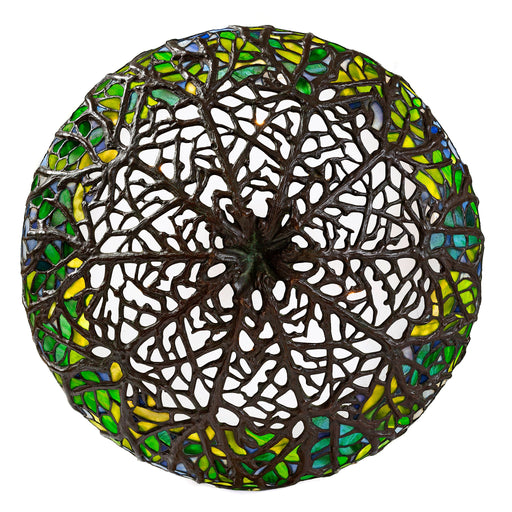
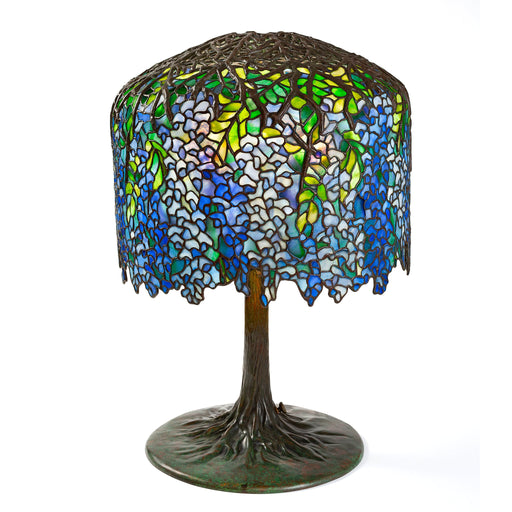
Tiffany Studios New York "Wisteria" Table Lamp
This remarkable Tiffany Studios New York "Wisteria" table lamp is a very fine and unusually rare lamp, composed of a palette of wisteria blossoms i...
View full details -
 Shop Now
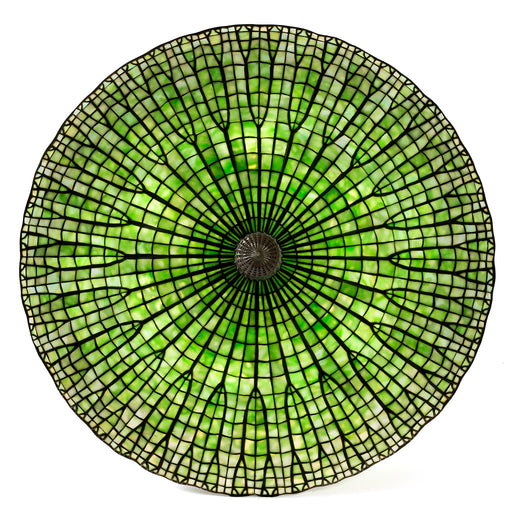
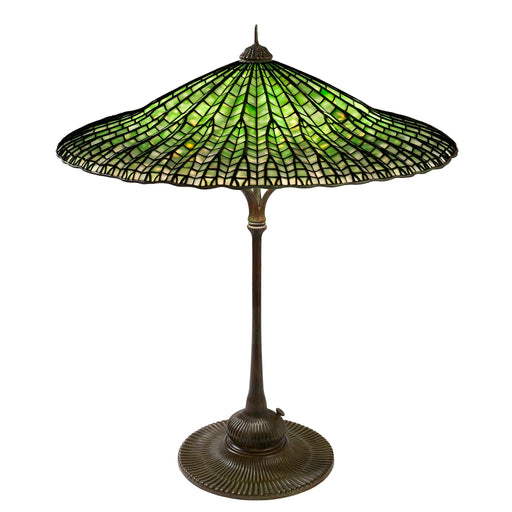
Tiffany Studios New York "Mandarin" Table Lamp
This Tiffany Studios New York "Mandarin" table lamp, considered among the most architecturally complex of the firm's designs, features an ombre lea...
View full details -
 Shop Now
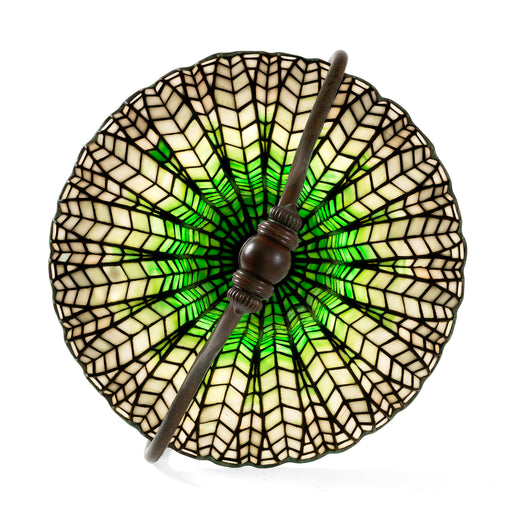
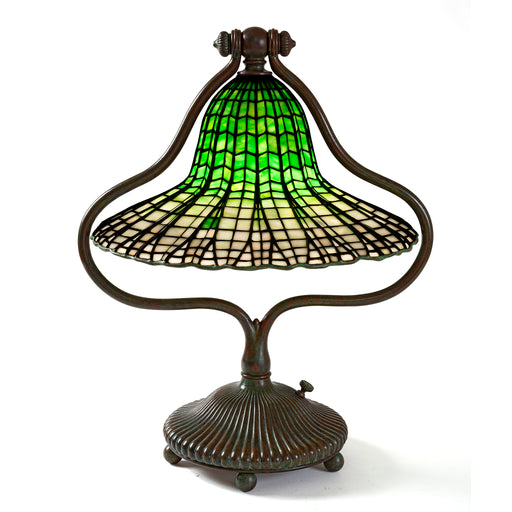
Tiffany Studios New York "Lotus Bell" Desk Lamp
This Tiffany Studios New York glass and bronze “Lotus Bell” table lamp, features a mottled jade green and cream-white leaded glass shade, suspended...
View full details -
 Shop Now
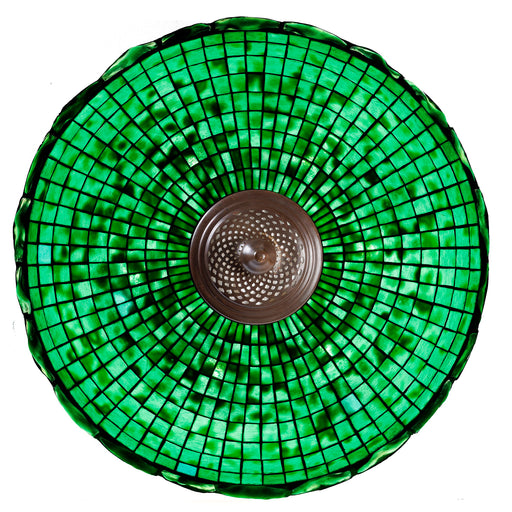
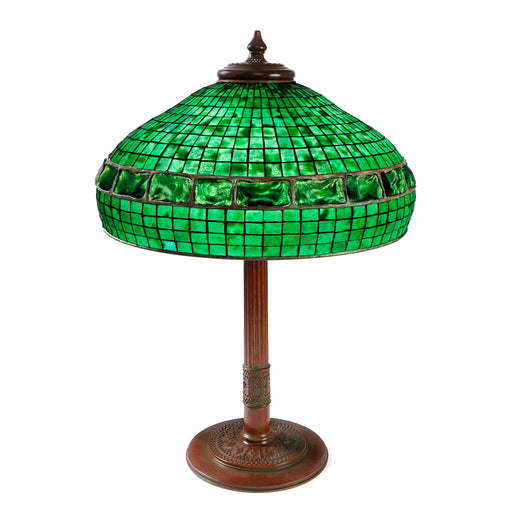
Tiffany Studios New York "Belted Turtleback" Table Lamp
The "Belted Turtleback" table lamp by Tiffany Studios New York is a refined study in monochromatic expression. Separated into three distinct tiers,...
View full details -
 Shop Now
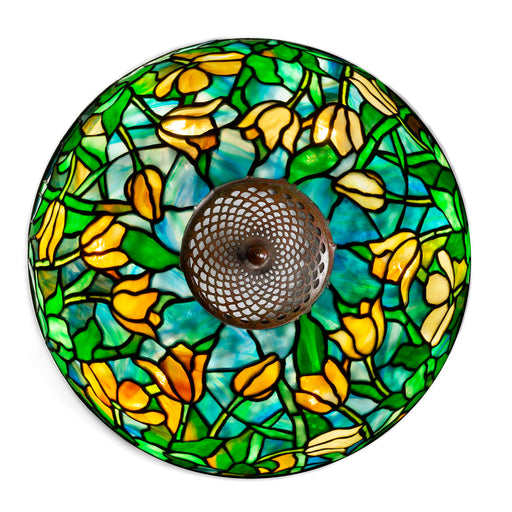
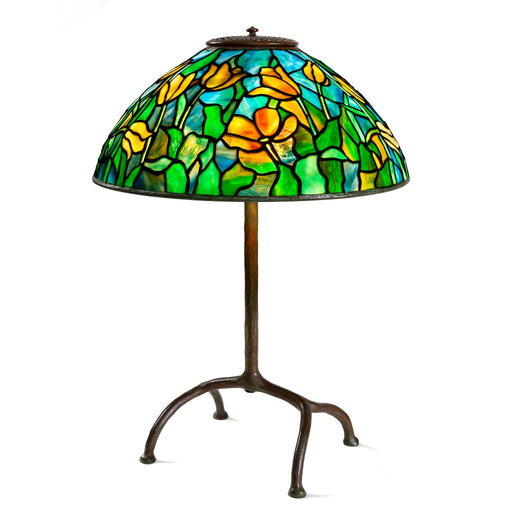
Tiffany Studios New York "Windswept Tulip" Table Lamp
This Tiffany Studios lamp with a polychrome “Irregular Tulip ” shade dates from the early 20th century. Composed of a colorful variety of streaked...
View full details -
 Shop Now
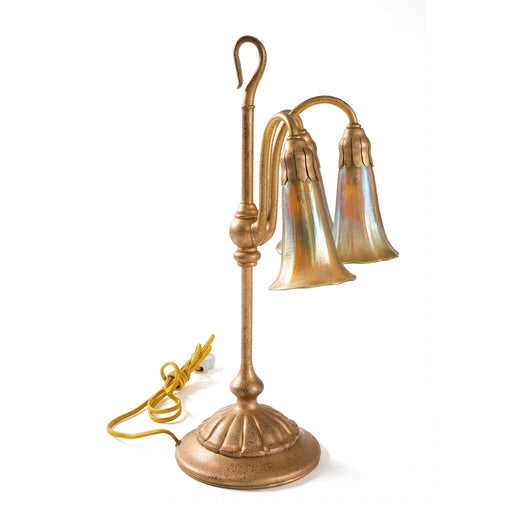
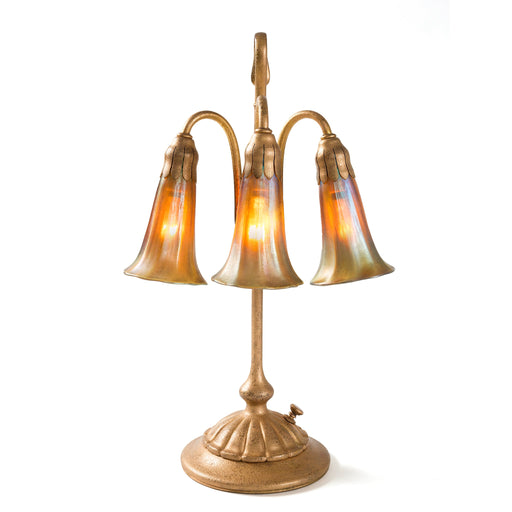
Tiffany Studios New York "Three Light Lily" Table Lamp
$12,500A Tiffany Studios New York "Three-Light Lily" Favrile glass and gilt bronze table lamp. A wonderfully refined take on Tiffany Studio New York's cel...
View full details -
 Shop Now
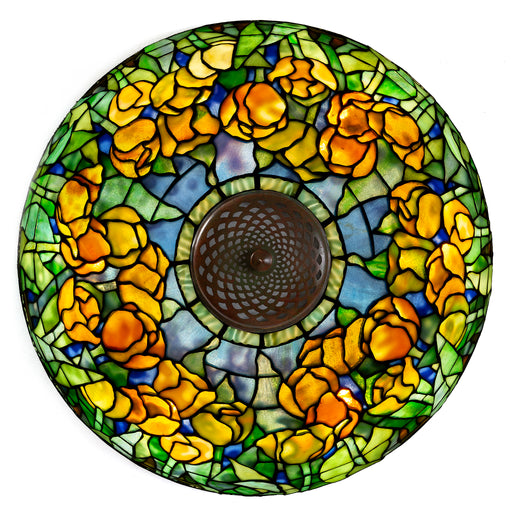
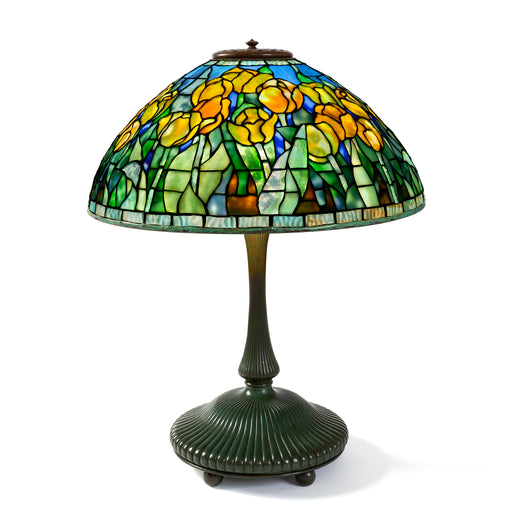
Tiffany Studios New York "Tulip" Table Lamp
The shade of this Tiffany Studios New York "Tulip" table lamp is comprised of brightly-colored yellow tulips, in the fullest state of bloom, cluste...
View full details -
 Shop Now
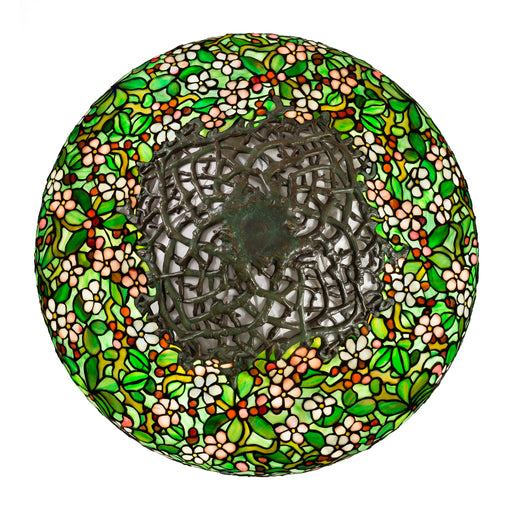
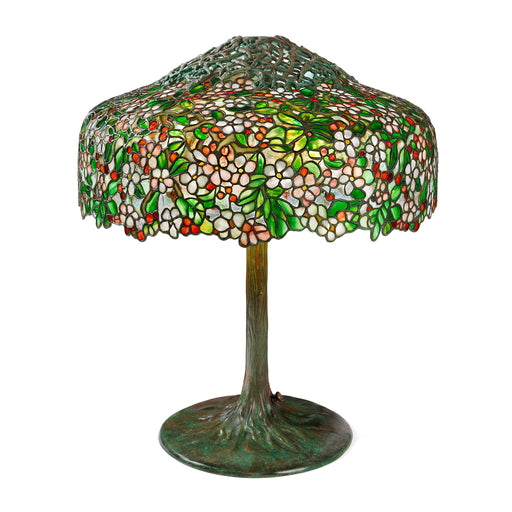
Tiffany Studios New York "Apple Blossom" Table Lamp
A Tiffany Studios New York "Apple Blossom" glass and bronze table lamp. The shade features amber & green streaky glass branches with pink and w...
View full details -
 Shop Now
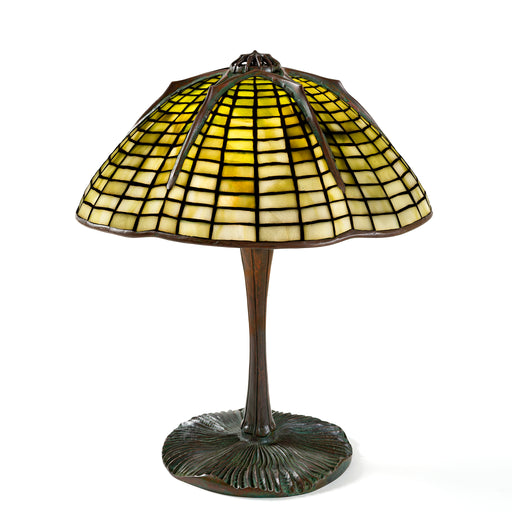
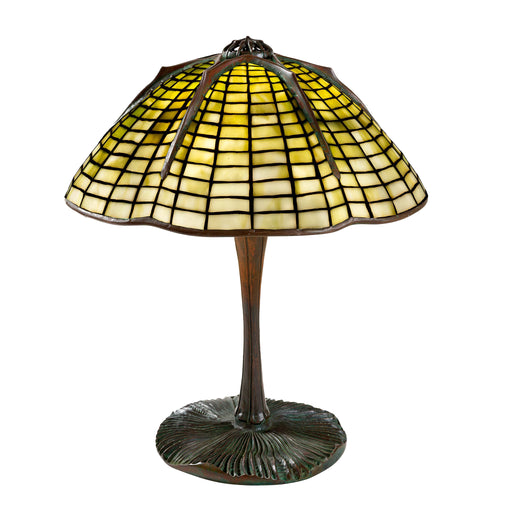
Tiffany Studios New York "Spider" Table Lamp
This Tiffany Studios New York glass and bronze “Spider” table lamp features a mottled golden glass shade of undulating yellow-green hues, atop a pa...
View full details -
 Shop Now
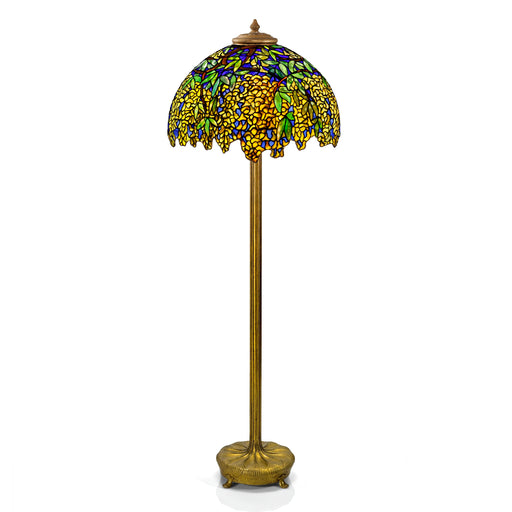
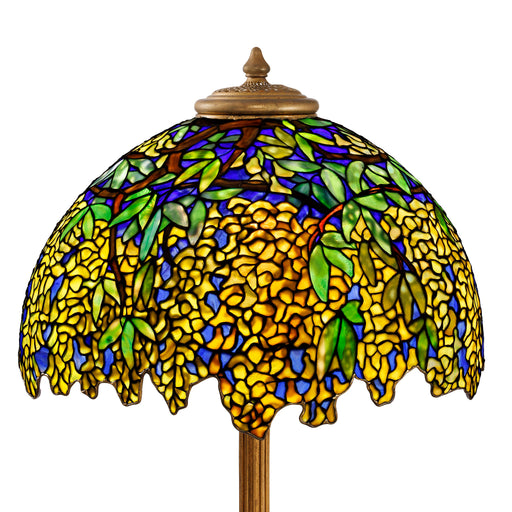
Tiffany Studios New York "Laburnum" Floor Lamp
This Tiffany Studios New York "Laburnum" floor lamp is a much celebrated piece that features a simple but multi-hued, multi-faceted, and expertly-a...
View full details -
 Shop Now
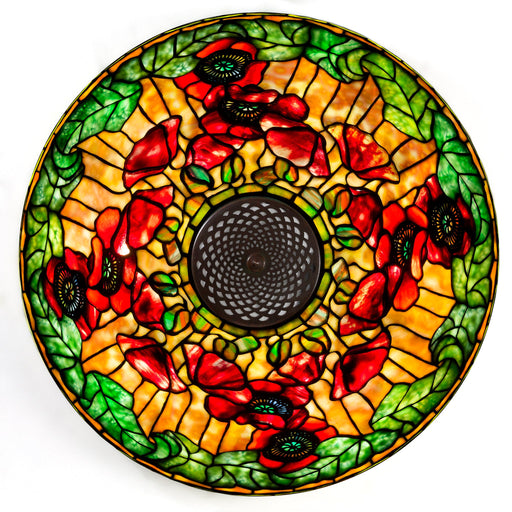
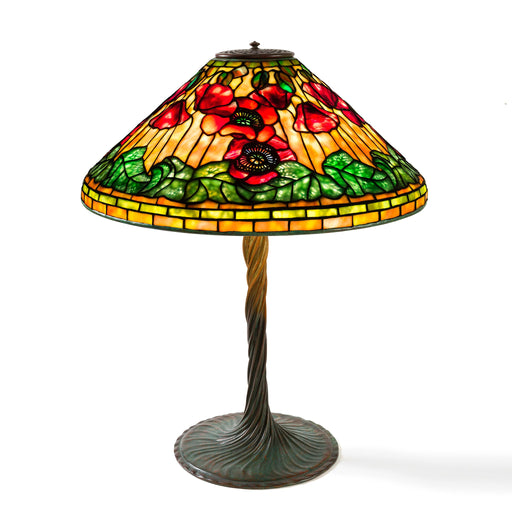
Tiffany Studios New York "Wire Mesh Poppy" Lamp
Captured against a smoldering amber and ocher ground of mottled glass, the titular poppies in the shade of this Tiffany Studios New York "Poppy" la...
View full details -
 Shop Now
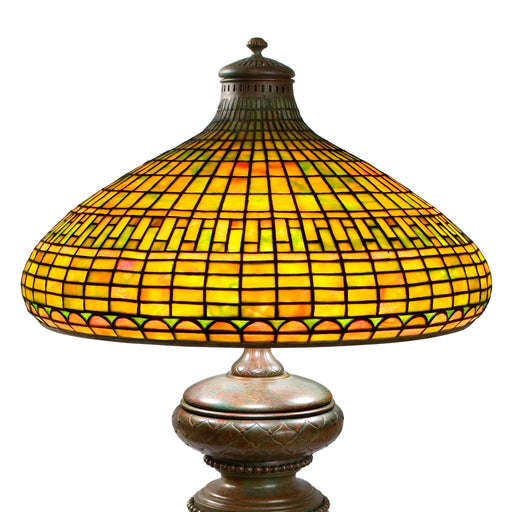
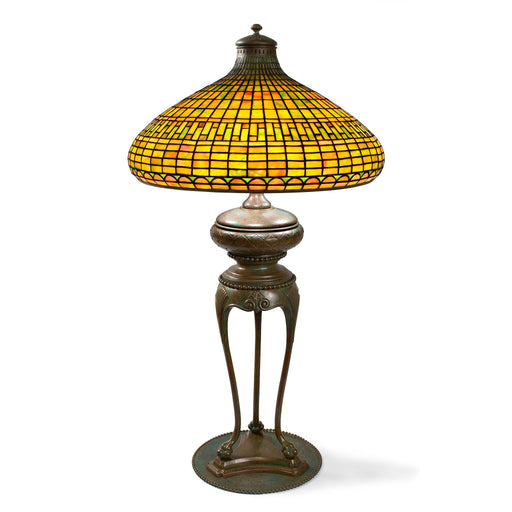
Tiffany Studios New York "Chinese Geometric" Table Lamp
A Tiffany Studios New York glass and bronze "Chinese Geometric" table lamp, featuring a mottled orange, yellow, and green leaded glass shade atop a...
View full details -
 Shop Now
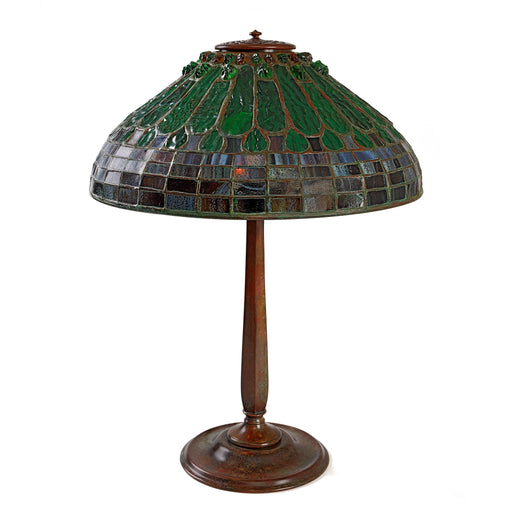
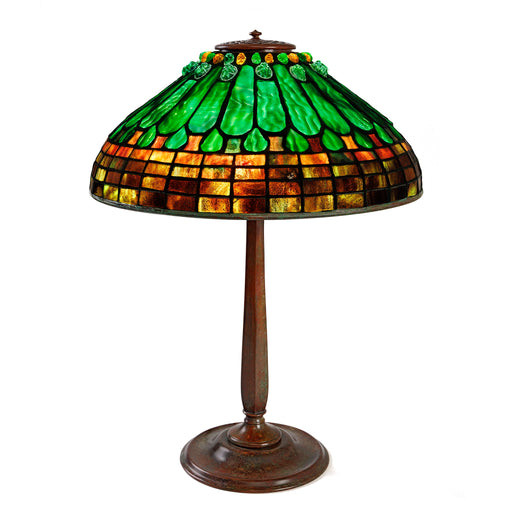
Tiffany Studios New York "Jeweled Feather" Table Lamp
The Jeweled Feather Lamp from Tiffany Studios showcases the vibrant, polychromatic brilliance reminiscent of a tropical bird. A line of roughly fac...
View full details -
 Shop Now
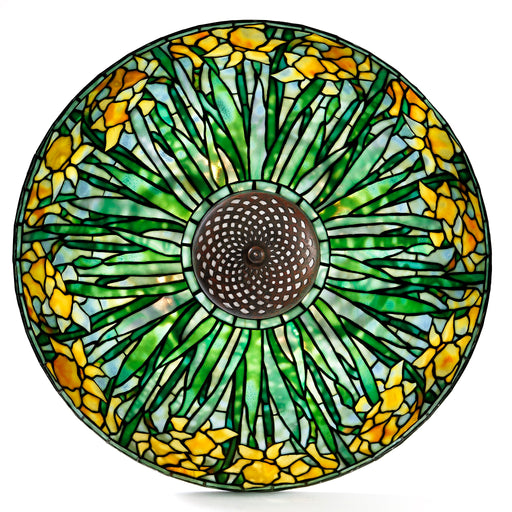
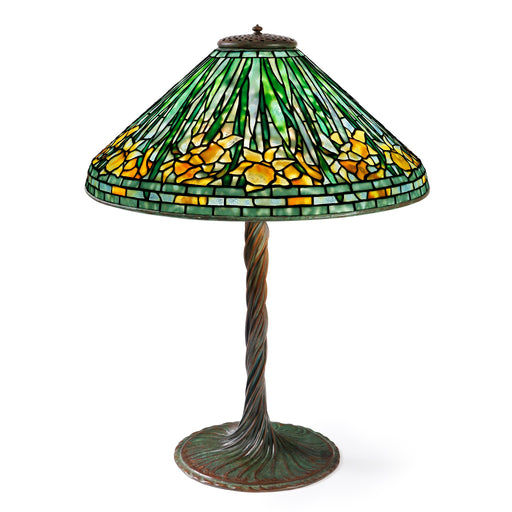
Tiffany Studios New York "Daffodil" Table Lamp
Dynamic in composition and color, a shade of greens ranging from vibrant to pastel sits atop a charming twisted vine base in this Tiffany Studios N...
View full details -
 Shop Now
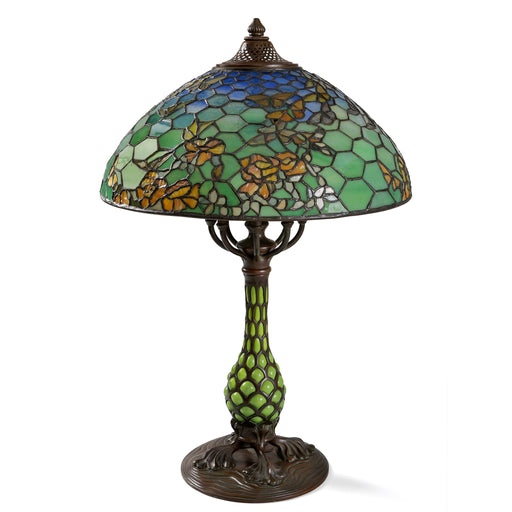
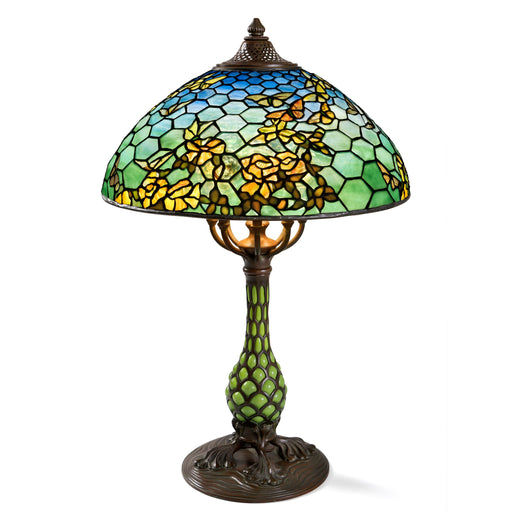
Tiffany Studios New York "Butterfly & Yellow Rose" Table Lamp
The Butterfly and Yellow Rose Lamp from Tiffany Studios portrays a captivating scene where amber butterflies gracefully float above a bed of yellow...
View full details -
 SOLD
Shop Now
SOLD
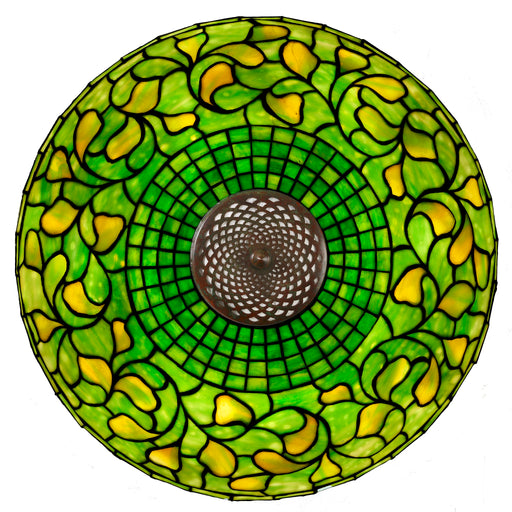
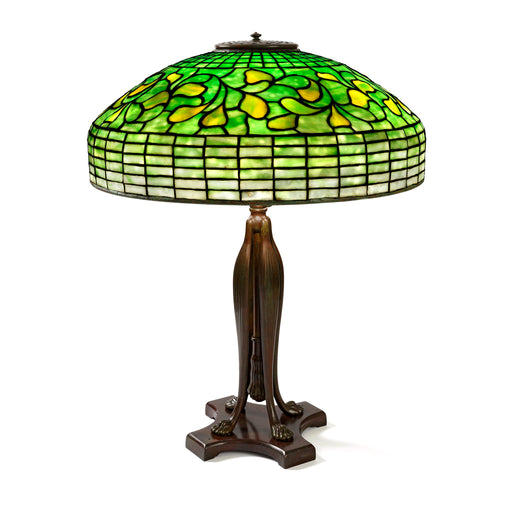
Shop NowTiffany Studios New York "Swirling Lemon Leaf" Table Lamp
$35,000This Tiffany Studios New York "Swirling Lemon Leaf" table lamp, consists of a dynamic shade with Louis Comfort Tiffany's famed geometric brick desi...
View full details -
 Shop Now
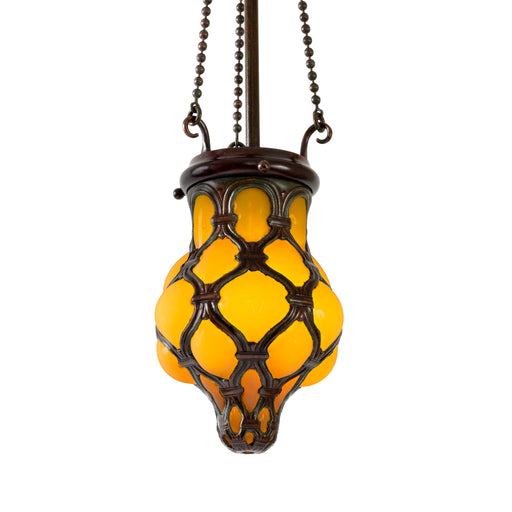
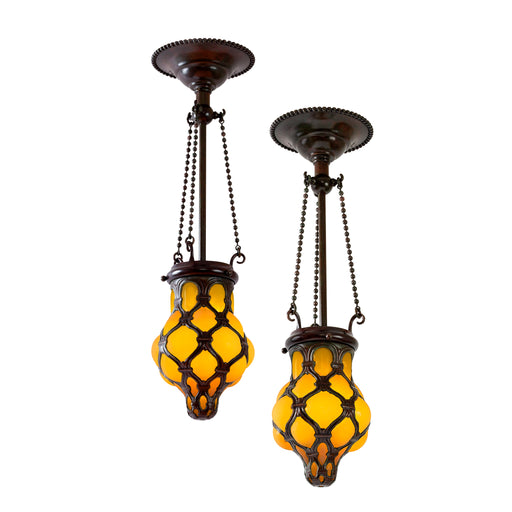
Pair of Tiffany Studios New York "Globe" Glass and Bronze Chandeliers
$47,500This enchanting pair of Tiffany Studios New York "hanging globe" chandeliers are composed of two reticulated glass shades. Tiffany’s idea of blowin...
View full details -
 Shop Now
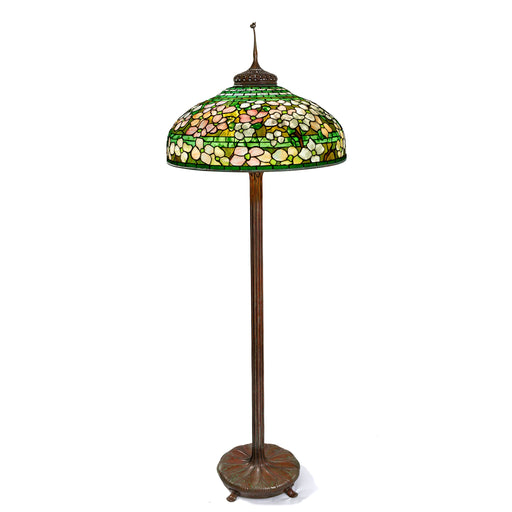
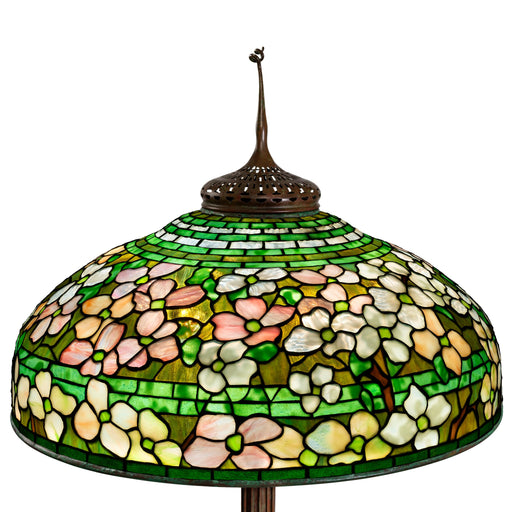
Tiffany Studios New York "Dogwood" Floor Lamp
The shade of this Tiffany Studios New York "Dogwood" leaded glass floor lamp features a bouquet of pink, white, and cream dogwood blossoms against ...
View full details -
 Shop Now
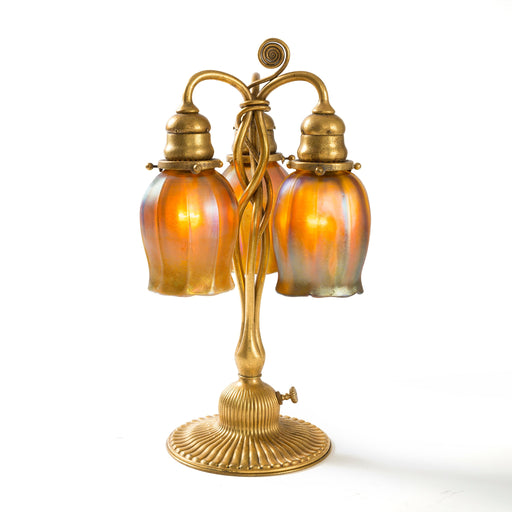
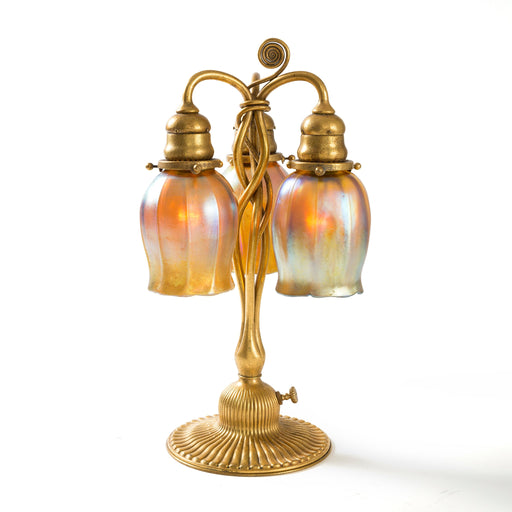
Tiffany Studios New York "Newell Post" Favrile Glass Desk Lamp
$19,500The "Newell Post" lamp by Tiffany Studios New York, features three gold Favrile glass shades with purple iridescence, suspended from a gilt bronze ...
View full details -
 Shop Now
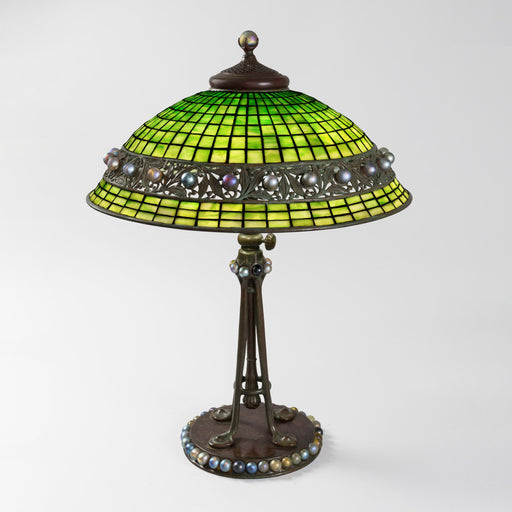
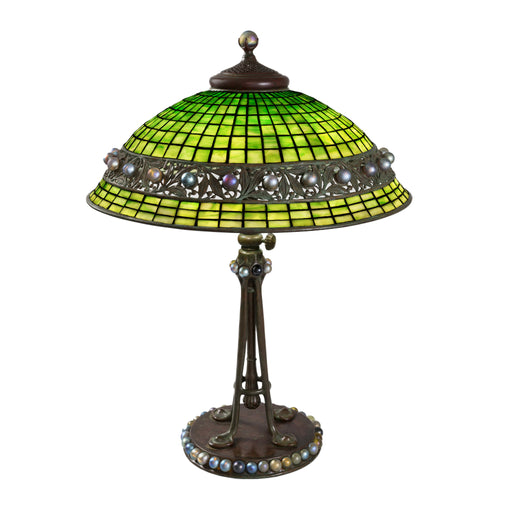
Tiffany Studios New York "Jeweled Geometric" Table Lamp
This Tiffany Studios New York "Jeweled Geometric" leaded glass and bronze table lamp features an enticing shade, comprised primarily of gradient-hu...
View full details -
 Shop Now
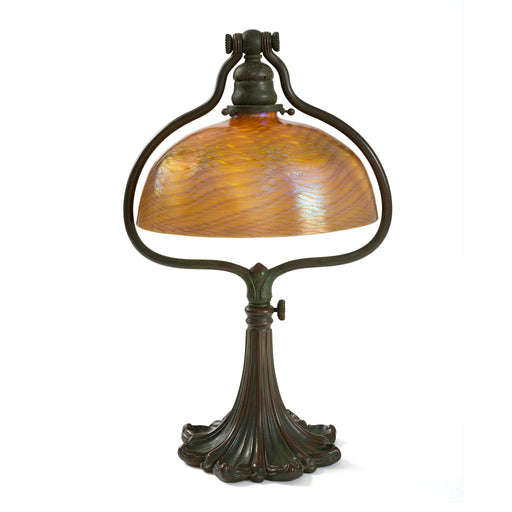
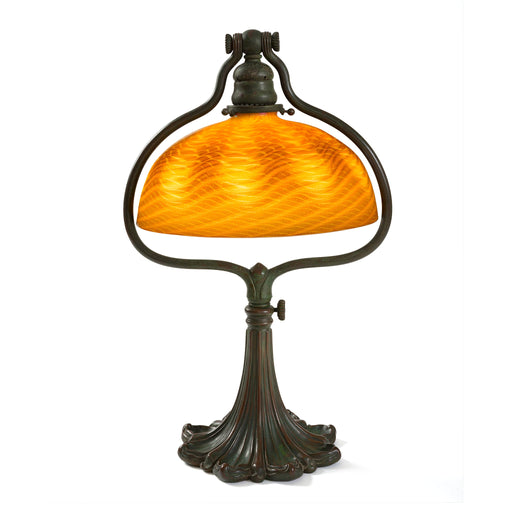
Tiffany Studios New York "Damascene Harp" Desk Lamp
$29,500This desk lamp by Tiffany Studios, dating from circa 1910, features a damascene favrile glass shade on an adjustable patinated bronze harp base. Wi...
View full details -
 Shop Now
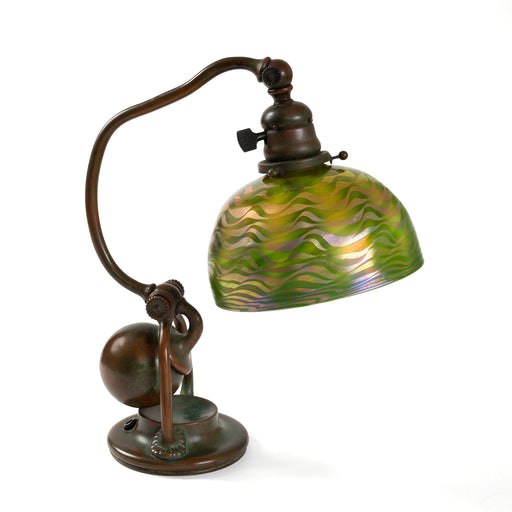
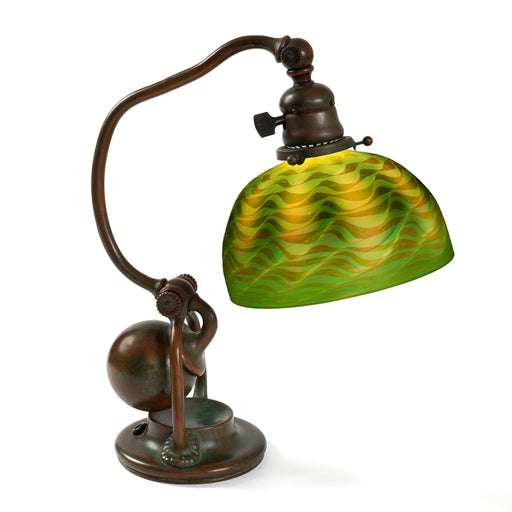
Tiffany Studios New York "Counter Balance" Desk Lamp
Aptly named, this Tiffany Studios New York “Counter Balance” desk lamp is a study in elegance and equilibrium. The shade itself balances two diamet...
View full details -
 Shop Now
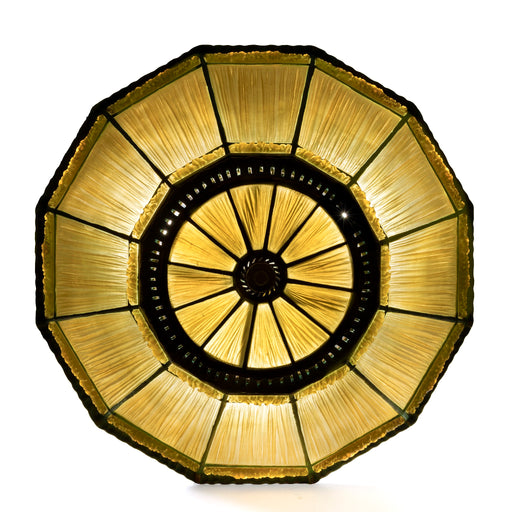
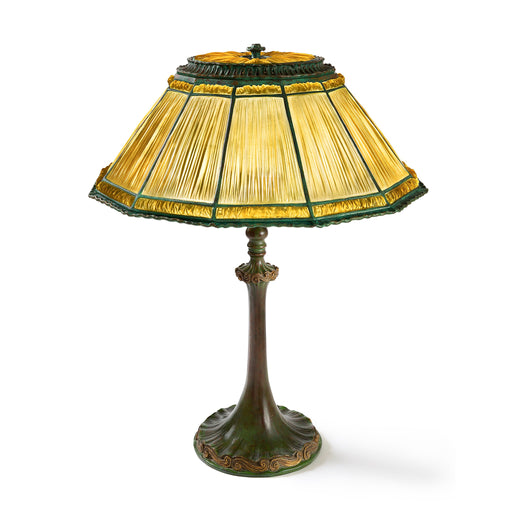
Tiffany Studios New York "Linenfold" Table Lamp
A Tiffany Studios New York Favrile glass and patinated bronze "Linenfold" table lamp. The shade is comprised of twelve amber Favrile glass panels a...
View full details -
 SOLD
Shop Now
SOLD
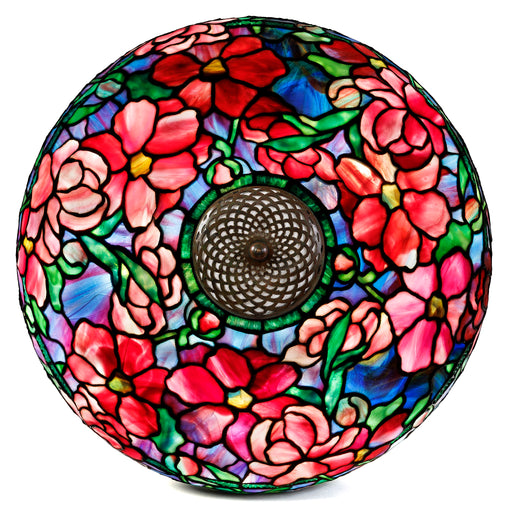
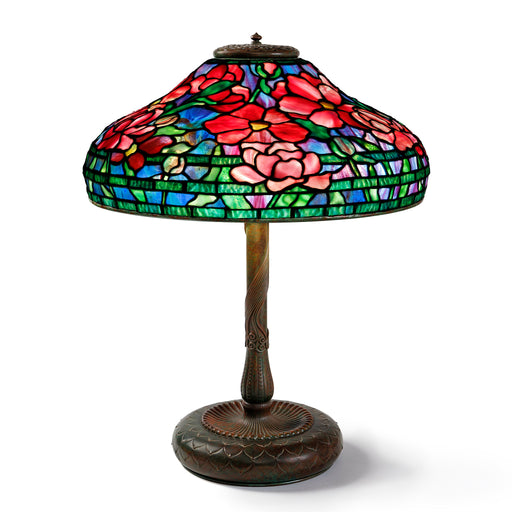
Shop NowTiffany Studios New York "Peony" Table Lamp
This magnificent Tiffany Studios New York "Peony" lamp is among the most exquisite of its kind. The shade is covered with rich burgundy, magenta, f...
View full details





























































































